

15 Reasons why some people choose to eat organic foods
Here are 15 reasons why some people choose to eat organic foods:
-
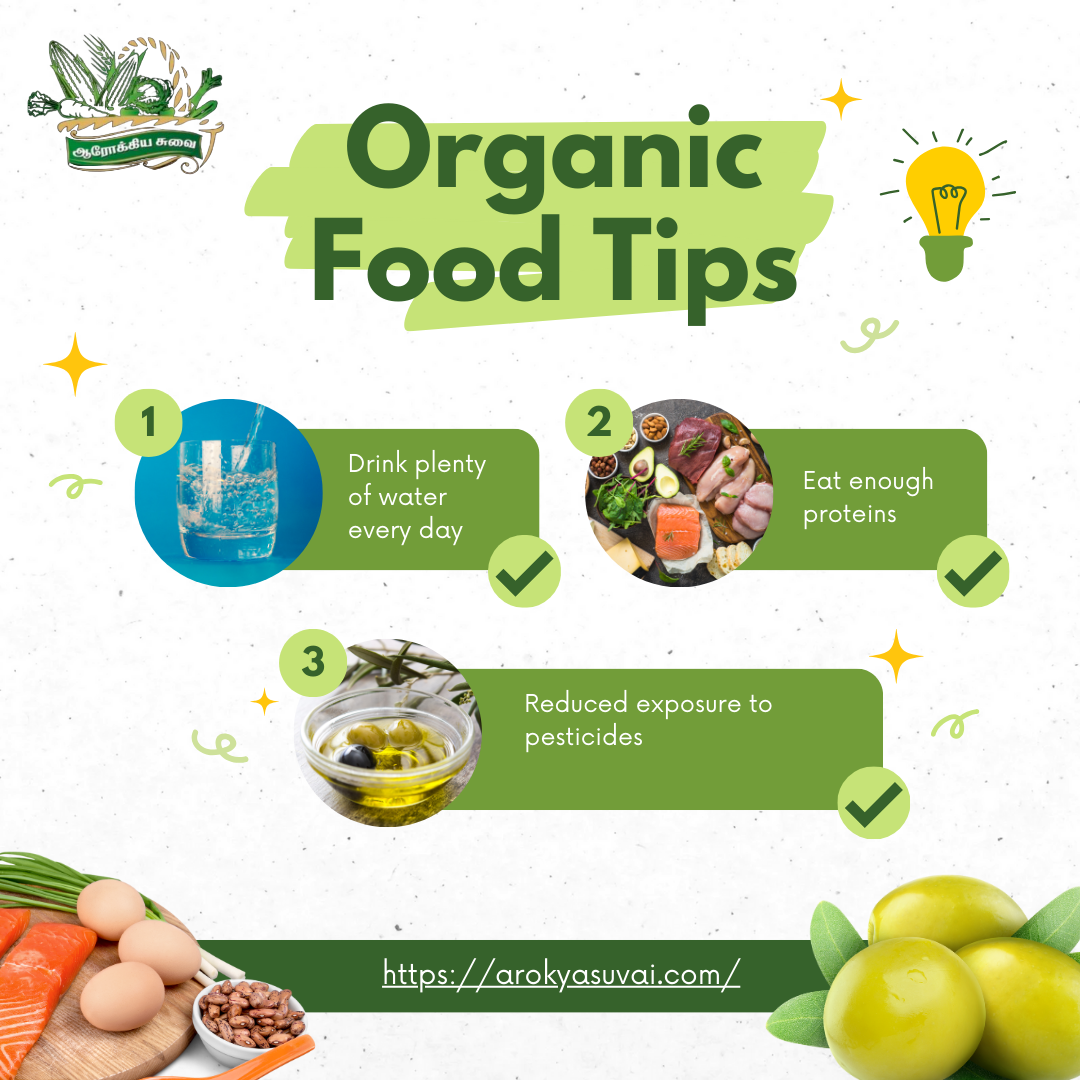
Reduced exposure to pesticides: Organic foods are grown without synthetic pesticides, reducing the risk of pesticide residues in your food and the potential health effects associated with pesticide exposure.
-
Environmental sustainability: Organic farming practices prioritize soil health, biodiversity, and ecological balance, which can contribute to long-term environmental sustainability.
-
Avoidance of synthetic fertilizers: Organic farming relies on natural fertilizers like compost and manure, avoiding synthetic fertilizers that can contribute to water pollution and soil degradation.
-
No genetically modified organisms (GMOs): Organic foods are not genetically modified, providing an option for those who prefer to avoid GMOs for health or ethical reasons.
-
Higher nutrient content: Some studies suggest that organic produce may contain higher levels of certain nutrients and antioxidants compared to conventionally grown counterparts.
-
Support for animal welfare: Organic animal products come from animals raised in more humane conditions, with access to outdoor space, natural diets, and limited or no antibiotic use.
-
Preservation of biodiversity: Organic farming practices promote biodiversity by avoiding monoculture and preserving natural habitats for wildlife.
-
Better soil quality: Organic farming techniques, such as crop rotation and composting, help improve soil structure, fertility, and microbial diversity.
-
Enhanced taste and flavor: Many people believe that organic foods have a superior taste and flavor compared to conventionally grown foods, although this can vary depending on individual preferences.
-
Reduction of antibiotic resistance: Organic farming prohibits the routine use of antibiotics in animal agriculture, helping to reduce the development of antibiotic-resistant bacteria.
-
Support for small-scale farmers: Buying organic products often supports local and small-scale farmers who use sustainable farming practices, contributing to community resilience and economic diversity.
-
Lower carbon footprint: Organic farming typically involves fewer synthetic inputs and relies more on renewable resources, resulting in lower greenhouse gas emissions compared to conventional agriculture.
-
Reduced risk of synthetic additives: Organic processed foods are made without synthetic additives, preservatives, or artificial colors or flavors, providing a more natural option for those with sensitivities or allergies.
-
Protection of water resources: Organic farming practices help reduce water pollution by minimizing the use of synthetic chemicals that can leach into groundwater and surface water.
-
Personal values and ethics: For many consumers, choosing organic foods aligns with personal values related to health, environmental stewardship, and supporting sustainable food systems.
While these reasons may influence individuals to choose organic foods, it's essential to recognize that organic certification standards can vary between countries and certifying bodies. Additionally, access to organic options, cost considerations, and individual health goals may also play a role in dietary choices.
- Meena Sridhar
#organic #organicfoods #healthylifestyle #nature #health #naturefood #organiclife
Click here to follow the Arokya Suvai website on Google News
Comments
View More