

Health Effects of Working Night Shifts
Working night shifts can have various effects on health, both physical and mental. Some of the common health effects associated with working night shifts include:
1. Disrupted Circadian Rhythm: The body's internal clock, which regulates sleep-wake cycles, can be disrupted by working during the night. This disruption can lead to sleep disturbances and difficulty maintaining a regular sleep schedule.
2. Sleep Disorders: Night shift work often leads to insomnia or other sleep disorders, such as shift work disorder, which is characterized by excessive sleepiness or difficulty sleeping when required.
3. Increased Risk of Chronic Diseases: Research suggests that long-term night shift work may increase the risk of chronic diseases such as cardiovascular disease, diabetes, obesity, and certain types of cancer. Disrupted circadian rhythms and irregular sleep patterns can contribute to these health risks.
4. Mental Health Issues: Working night shifts can also take a toll on mental health. It's associated with higher rates of depression, anxiety, and mood disorders. The social isolation that can accompany working while others are sleeping may exacerbate these issues.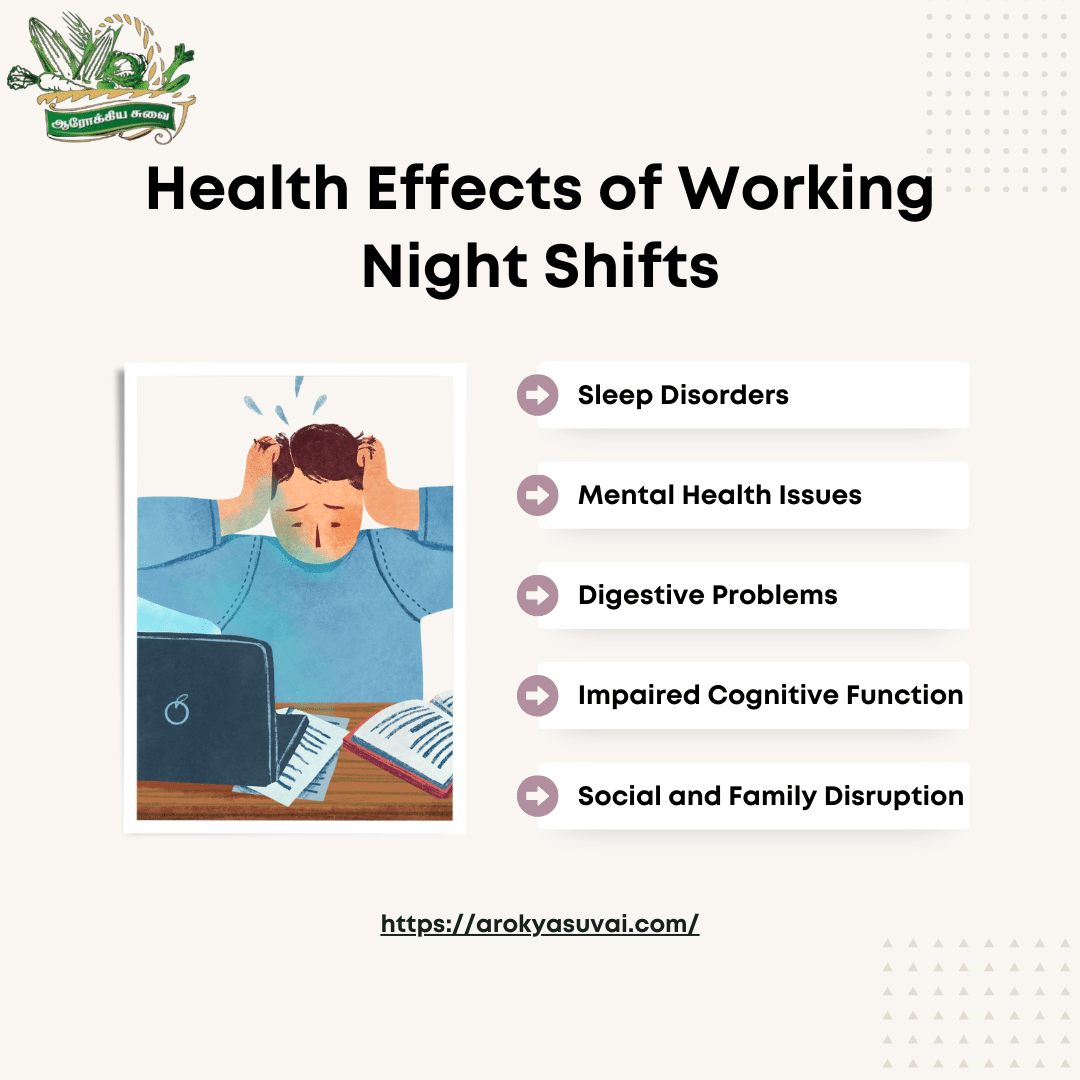
5. Digestive Problems: Night shift work may disrupt digestive processes, leading to gastrointestinal issues such as indigestion, constipation, or irritable bowel syndrome (IBS). Changes in eating patterns and irregular meal times can contribute to these problems.
6. Increased Risk of Accidents: Fatigue resulting from working night shifts can impair cognitive function and reaction times, increasing the risk of accidents both at work and during the commute to and from work.
7. Impaired Cognitive Function: Chronic sleep deprivation associated with night shift work can impair cognitive function, memory, and decision-making abilities. This can affect job performance and the overall quality of life.
8. Social and Family Disruption: Night shift work often requires employees to be awake and working when their families and friends are sleeping or engaged in daytime activities. This can lead to social isolation, strained relationships, and difficulties in balancing work and personal life.
Overall, while working night shifts may be necessary for certain professions or industries, it's essential for employers and employees to be aware of the potential health effects and take steps to mitigate them, such as implementing strategies to improve sleep quality, maintaining a healthy lifestyle, and creating a supportive work environment.
- Meena Sridhar
#Worklife, #Latenight, #nightshifts, #mentalhealth, #healthcare, #healthissues, #nightshiftproblems, #nightwork, #nightshift, #worktime
Click here to follow the Arokya Suvai website on Google News
Comments
View More